

Wisdom Teeth Removal at George Psaltis, DMD, PC in New York NY
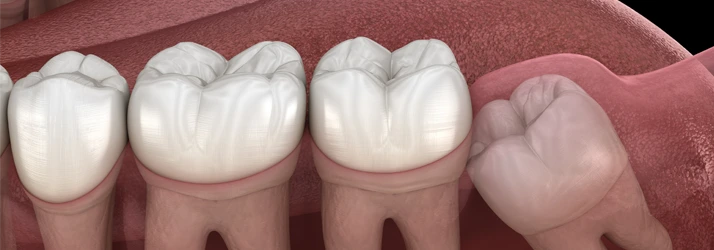
Wisdom teeth do not always grow properly and can cause pain, swelling, crowding, and other dental problems. At George Psaltis, DMD, PC, we provide thorough wisdom tooth evaluations and safe removal procedures tailored to your individual needs. Our team focuses on patient comfort while helping prevent future oral health problems.
When Wisdom Teeth Need to Be Removed for Better Oral Health?
Wisdom teeth are the last set of molars that usually appear during the late teen years or early adulthood. Many people develop problems because there is not enough room in the mouth for these teeth to grow correctly. When wisdom teeth come in at an improper angle or become trapped under the gums, they can cause pain, swelling, pressure, and infection. In some cases, they may damage nearby teeth.
Dentists often recommend removing wisdom teeth before serious complications begin. Early removal can help prevent future dental problems and reduce the risk of infection. X-rays are usually taken to assess tooth position and determine whether removal is needed.
Common reasons wisdom teeth may need to be removed include:
- Pain or pressure in the back of the mouth
- Swollen or irritated gums
- Difficulty cleaning the area properly
- Tooth decay near the wisdom teeth
Removing wisdom teeth at the right time can help protect oral health and make daily cleaning easier. At George Psaltis, DMD, PC, our team carefully evaluates each patient and develops a treatment plan tailored to their dental needs and comfort.
Common Signs That Impacted Wisdom Teeth Are Causing Problems
Impacted wisdom teeth are teeth that do not fully come through the gums because there is not enough space in the mouth. These teeth may grow sideways, stay partially trapped, or remain completely below the gumline. Many people do not notice a problem at first, but impacted wisdom teeth can slowly lead to discomfort and dental issues.
One of the most common warning signs is pain in the back of the mouth. The discomfort may become stronger as the teeth continue pushing against nearby teeth or gums. Swelling around the gums is another common symptom, especially if food and bacteria become trapped in the area. Some people also notice jaw stiffness or difficulty chewing certain foods.
Bad breath or an unpleasant taste in the mouth may happen when bacteria build up around partially erupted wisdom teeth. Infections can also develop when the gums become irritated and difficult to clean properly. If these issues are ignored, nearby teeth may become damaged over time.
Regular dental exams and X-rays are important because they help detect impacted wisdom teeth before major complications develop. Paying attention to early symptoms can help protect your teeth and gums before the condition becomes more difficult to treat.
What to Expect During a Wisdom Teeth Removal Procedure?
Many people feel nervous before having wisdom teeth removed because they do not know what the procedure involves. Learning about the process can help patients feel more prepared and comfortable. Wisdom tooth removal is a common dental procedure planned based on the position of the teeth and the patient’s oral health.
Before the procedure begins, the dentist or oral surgeon will review X-rays to determine the position of the wisdom teeth. Local anesthesia is commonly used to numb the area, and some patients may also receive sedation to help them relax during treatment. Once the area is numb, the dentist removes the wisdom teeth carefully while protecting the surrounding gums and nearby teeth.
The procedure may include:
- Numbing the gums and surrounding tissues
- Creating a small opening in the gum if needed
- Removing the tooth in sections when necessary
- Cleaning the area to reduce infection risk
Most procedures are completed in a short time, depending on the number of teeth being removed. Patients usually go home the same day with recovery instructions. At George Psaltis, DMD, PC, we focus on patient comfort throughout the procedure and provide detailed aftercare guidance to support healing after wisdom teeth removal.
How Does Recovery After Wisdom Teeth Removal Usually Work?
Recovery after wisdom tooth removal varies from person to person, but most patients begin to feel better within several days. The first 24 hours are important because the body begins forming blood clots that help protect the healing area. Mild swelling, soreness, and limited jaw movement are common during the early recovery period.
Rest is important after the procedure because excessive physical activity can increase bleeding or delay healing. Patients are usually advised to eat soft foods and drink plenty of fluids while avoiding foods that may irritate the gums. Cold packs are often used during the first day to help reduce swelling around the jaw.
Dentists may recommend pain medication to help manage discomfort. Keeping the mouth clean is also important, but patients should follow instructions carefully to avoid disturbing the healing tissue.
Many people can return to work, school, or normal daily activities within a few days, although complete healing may take longer depending on the extraction. Patients should contact their dentist if they notice severe pain, heavy swelling, fever, or signs of infection during recovery.
Risks of Keeping Problematic Wisdom Teeth for Too Long
Some people delay wisdom teeth removal because the teeth are not causing constant pain. However, even painless wisdom teeth can still create problems over time. When wisdom teeth do not grow properly or remain impacted, they may slowly affect nearby teeth and gums without obvious symptoms at first.
One major concern is infection. Partially erupted wisdom teeth can create small openings where food particles and bacteria collect easily. Since these areas are difficult to clean, the gums may become swollen, irritated, and infected.
Keeping problematic wisdom teeth for too long may also lead to:
- Damage to nearby healthy teeth
- Increased risk of tooth decay
- Gum disease around the back molars
- Jaw pain or stiffness
As people get older, wisdom teeth removal can sometimes become more complicated because the roots continue to develop and the jawbone becomes denser. Recovery may also take longer in adulthood compared to younger patients.
Why Early Evaluation Can Help Prevent Dental Complications?
Early evaluation of wisdom teeth allows dentists to identify potential problems before they become serious. Wisdom teeth usually begin developing during the teenage years, even though they may not fully appear until later. Dental exams and X-rays help monitor how these teeth are growing and whether there is enough space in the mouth for them to come in properly.
In many cases, wisdom teeth start causing problems before noticeable pain develops. They may grow sideways, remain trapped below the gums, or push against nearby teeth. Early evaluation helps dentists identify these issues, while treatment is often simpler and recovery may be easier.
Not every wisdom tooth needs to be removed immediately, but regular monitoring is necessary because dental conditions can change with time. Dentists use imaging and clinical exams to determine whether removal is required or whether continued observation is the better option.
Schedule Your Appointment Today!
Wisdom teeth can cause pain, swelling, and other dental concerns. Contact George Psaltis, DMD, PC to schedule a consultation and learn if removal is right for you.
Contact Information:
George Psaltis, DMD, PC
115 Central Park West #7
Phone: (212) 501-8777
OFFICE HOURS
Monday
8:30am - 6:00pm
Tuesday
8:30am - 6:00pm
Wednesday
8:30am - 6:00pm
Thursday
8:30am - 6:00pm
Friday
8:30am - 2:00pm
Saturday & Sunday
Closed

George Psaltis, DMD, PC
115 Central Park West #7
New York, NY 10023