


Dental Implants at George Psaltis, DMD, PC in New York NY
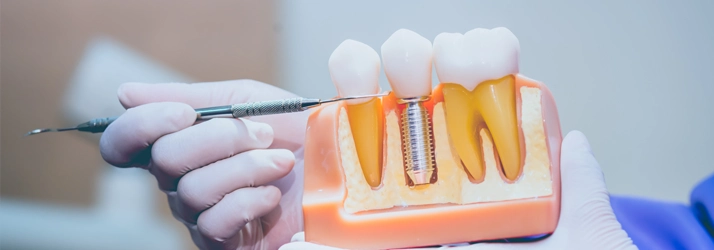
Dental implants are designed to replace missing teeth with a solution that looks natural and feels secure. At George Psaltis, DMD, PC, we use advanced technology and careful planning to provide dependable implant treatment for adults of all ages. Our goal is to help improve daily comfort, support oral health, and make the treatment process as smooth as possible.
Dental Implants
Dental implants are designed to replace missing teeth in a stable and long-lasting way. Unlike removable options, implants are placed in the jawbone, where they act as artificial tooth roots. After healing, the implant supports a dental crown, bridge, or denture that remains firmly in place during daily activities such as eating and speaking.
Missing teeth can affect chewing, place pressure on nearby teeth, and lead to bone loss in the jaw over time. Dental implants help reduce these problems by supporting the jawbone and helping maintain proper bite balance. Because implants stay fixed in place, many patients find them more comfortable than removable appliances.
People may need implants after losing teeth because of injury, decay, gum disease, or aging. Treatment is planned carefully based on the number of missing teeth and the condition of the jawbone. Some patients may need additional procedures before implants can be placed safely.
The full process usually takes several months because the implant needs time to properly bond with the bone. Regular dental visits and good oral hygiene are important during healing and after treatment. At George Psaltis, DMD, PC, patients receive personalized evaluations and treatment planning to help them understand the best options for long-term tooth replacement.
Types of Dental Implants and Treatment Options
Dental implant treatment varies for every patient because tooth loss can occur in many ways. Some people may only need to replace one missing tooth, while others may need support for several teeth or a full arch. The type of implant used depends on bone support, gum health, and the patient’s overall dental condition.
Several implant options are commonly used in dentistry today:
- Single tooth implants replace one missing tooth without affecting nearby teeth
- Implant-supported bridges replace multiple missing teeth using implants for support
- Full arch systems support a complete upper or lower denture with several implants
- Mini implants may be used in smaller areas where standard implants may not fit well
Some patients may also need treatments such as bone grafting before implant placement. Healing time can vary because the implant must connect fully with the jawbone before the final restoration is attached.
What to Expect During the Dental Implant Process From Start to Finish
The dental implant process usually takes place over several appointments because healing time is important for long-term success. Although every treatment plan is different, most patients go through similar stages during implant care. Understanding the process ahead of time can help patients feel more prepared and comfortable.
The process often includes these steps:
- A dental exam with X-rays or digital scans to evaluate bone support
- Removal of damaged teeth, if necessary, before implant placement
- Placement of the implant into the jawbone during a surgical procedure
- Healing time to allow the implant to bond with the bone
- Placement of the final crown, bridge, or denture after healing is complete
Most patients can return to normal activities within a short time after the procedure, although mild soreness or swelling may occur during the healing process. Dentists often recommend soft foods and careful cleaning around the treatment area during recovery.
The complete process may take several months, depending on healing and whether additional treatments are needed. Follow-up visits are important because they allow the dentist to monitor healing and make sure the implant remains stable.
At George Psaltis, DMD, PC, patients receive guidance throughout every stage of treatment so they know how to care for their implants and protect their oral health.
Bone Health, Jaw Support, and Why Implant Placement Matters
The jawbone plays an important role in supporting teeth and keeping the mouth stable during chewing and speaking. When a tooth is lost, the bone underneath may slowly weaken because it no longer receives regular pressure from daily function. Over time, this bone loss can affect nearby teeth and the jaw's overall structure.
Dental implants help reduce bone loss because they are placed directly into the jawbone. Once healed, the implant acts like a replacement tooth root and continues sending pressure through the bone during chewing. This support helps keep the jawbone more active and stable over time.
Proper implant placement is also important because the implant must fit safely around nearby teeth, nerves, and sinus areas. Dentists use digital imaging and careful planning to choose the best location for each implant. If the jawbone is too thin or weak, a bone graft may be needed before treatment begins.
Patients with healthy gums and strong bone support often have better long-term implant results. Daily oral hygiene and regular dental visits also help protect the gums and surrounding bone after implant placement.
Caring for Dental Implants to Help Them Last for Many Years
Dental implants are designed to be durable, but they still need proper care to stay in good condition. Even though implants cannot develop cavities, the surrounding gums and bone can still become damaged if oral hygiene is ignored. Daily cleaning and routine dental visits are important for long-term implant success.
Good implant care often includes:
- Brushing twice each day with a soft toothbrush
- Cleaning between teeth and implants with floss or other tools
- Avoiding tobacco products that may affect gum healing
- Attending regular dental checkups and professional cleanings
- Reporting pain, swelling, or loose restorations quickly
Some patients may grind their teeth while sleeping, which can place pressure on implant restorations. In these cases, a dentist may recommend a custom nightguard for protection. Patients should also avoid chewing hard objects because this may damage crowns or restorations attached to the implant.
Who May Be a Good Candidate for Dental Implants and When to Schedule an Evaluation?
Many adults with missing teeth may be candidates for dental implants, but a comprehensive dental evaluation is needed before treatment begins. A dentist will examine gum health, bone support, and the condition of nearby teeth to determine if implants are a safe option. Some patients may need treatment for gum disease or bone loss before implant placement can begin.
Good candidates for implants often include people who want a stable replacement for missing teeth and are willing to maintain regular oral hygiene. Smoking, uncontrolled medical conditions, and severe gum disease may affect healing and increase the risk of complications. Scheduling an implant evaluation early can help prevent additional bone loss and reduce future dental problems caused by missing teeth.
Schedule Your Appointment Today!
Ready to replace missing teeth with a long-lasting solution? Contact George Psaltis, DMD, PC to schedule your dental implant consultation and learn more about your treatment options.
Contact Information:
George Psaltis, DMD, PC
115 Central Park West #7
Phone: (212) 501-8777
OFFICE HOURS
Monday
8:30am - 6:00pm
Tuesday
8:30am - 6:00pm
Wednesday
8:30am - 6:00pm
Thursday
8:30am - 6:00pm
Friday
8:30am - 2:00pm
Saturday & Sunday
Closed

George Psaltis, DMD, PC
115 Central Park West #7
New York, NY 10023